



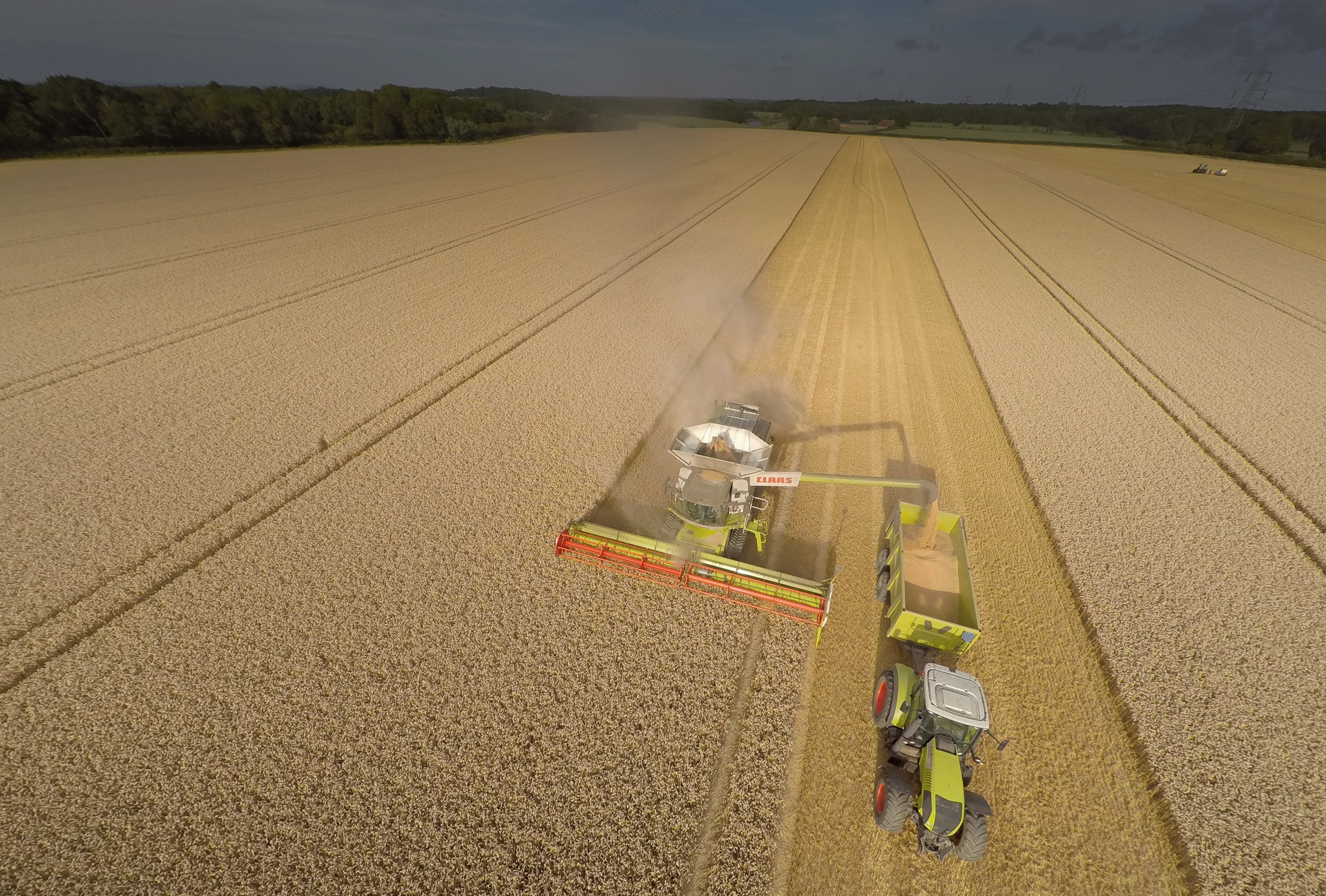
When I agreed in March to start at AHDB just as June was ending, I assumed there would be a week or two to get my feet under the table before harvest started - but by the time the first day arrived it was already getting into full swing in some places.听
The second consecutive year of prolonged hot and dry weather has focused minds on what arable farming might look like if these extremes become more common. It goes without saying that farmers have always adapted, but the layers of uncertainty facing farming and the wider agricultural supply chain at present seems unprecedented. The question should not be whether arable farming has a future, but how AHDB can best help levy payers build successful businesses within that future.听
I have worked with AHDB externally for a number of years. Now as an employee, looking from the inside, the range of work I see across the organisation is genuinely impressive. However, it needs to keep pace with the demands and needs of the cereals and oilseeds sector.听
Our job is to provide levy payers with the evidence, information and tools to allow them to make better decisions for their own farm business. That should include helping them to better understand the present, as well as the options for the future, and how they can become more resilient and profitable.听
Terms like 鈥榮ustainable' and 鈥榬esilient' aren't just buzzwords; in practical terms they mean helping growers decide which varieties to grow though the AHDB Recommended Lists, or which new technology or strategy is worth considering in relation to their own system because they can see the real-world impact it has had on a monitor farm. We sometimes talk about sustainable farming as if it refers to the means, rather than the end goal which can be reached in a myriad of ways.听
To me, it means farming in an environmentally responsible way, growing food, and doing so in a way that is economically practical for a long-term farm business. The ways to achieve that can be, and often should be, quite different from farm to farm. It can be a bit troubling to see the reaction to statements like that, when it's probably obvious to most readers of the Farmers Guardian.听
It means it's important the AHDB continues to help champion the future success of the widest range of farm types and systems. There are all sorts of sizes and shapes of farm taking steps to boost their resilience, and a core aspect of AHDB's work has always been for farmers to learn from each other and the latest research, while adapting the lessons from both to their farms.听
The on-farm focus of AHDB is always likely to be the most important aspect of our work. However, as we listen and review existing work, the new Sector Council chair James Standen and I both want to see the expertise within the AHDB play a greater role in providing good research, evidence, and data to help influence the future of the sector; too often it can feel like the focus is on helping levy payers adapt to the future of farming decided by others.听
It's easy to articulate that ambition, and much harder to achieve - but in some cases just a subtle shift would help. For example, moving from presenting research only for farmer and grower audiences, to making sure it is also expressed in terms that ensure others have a better understanding of what that information could mean across the wider supply chain, and for related policy goals.
Some might describe this approach as 鈥榯hought leadership', but I prefer to think of it as making sure good evidence reaches the people making the decisions that affect and shape the future of farming and helping AHDB and wider sector be a bit less reactive. Part of me wonders if there was more space to do that in the past, when the challenges, opportunities, and levels of uncertainty were different - but that only makes the case for trying to do so now even more imperative.听
It won't be achieved overnight, but a month into the job, I'm seeing a wider demand and willingness to work to achieve this. The future of arable farming won't be secured by thinking every farm is the same, or that the challenges and unescapable trade-offs we face have simple answers. It will be secured by better evidence, and the ingenuity of growers to adapt that to their farm.听
听


