



From prolonged heatwaves and drought warnings to ongoing geopolitical uncertainty, 2026 has provided yet another reminder that resilience is no longer a future challenge for farming, but a present-day necessity. As a new Prime Minister sets out plans for Britain's long-term economic future, agriculture finds itself at the centre of national conversations around food security, climate adaptation and growth. Yet while much attention is given to technology, policy and investment, there is a risk we overlook the factor that underpins them all: people. The future of farming will depend on whether we equip today's workforce, and tomorrow's, with the skills needed to adapt and thrive.听
Against this backdrop, Lantra's newly published report, Shaping a Resilient Future, asks a simple question: if land-based industries are expected to help solve some of the UK's biggest challenges, are we doing enough to equip the workforce for the task ahead? The evidence suggests the answer is no. If the UK is to achieve its ambitions for food security, climate resilience, nature recovery and economic growth, it must invest in the skills of the land-based workforce.听
The UK's land-based sectors, including agriculture, horticulture, forestry and environmental management, manage more than 80% of the nation's land area and support 4.2 million jobs across the wider agri-food supply chain. They are responsible not only for producing food and raw materials, but also for maintaining biodiversity, storing carbon, managing water and supporting rural communities.听
Yet these industries are operating in an increasingly complex environment. Farmers and land managers are facing rising input costs, climate pressures, changing regulations, labour shortages and rapid technological advancement. Precision farming, artificial intelligence, automation and data-driven decision making are becoming more commonplace, while environmental schemes require a deeper understanding of sustainable land management.听
The challenge is not just attracting new people into the sector. It is ensuring the entire workforce has the capabilities needed to adapt.
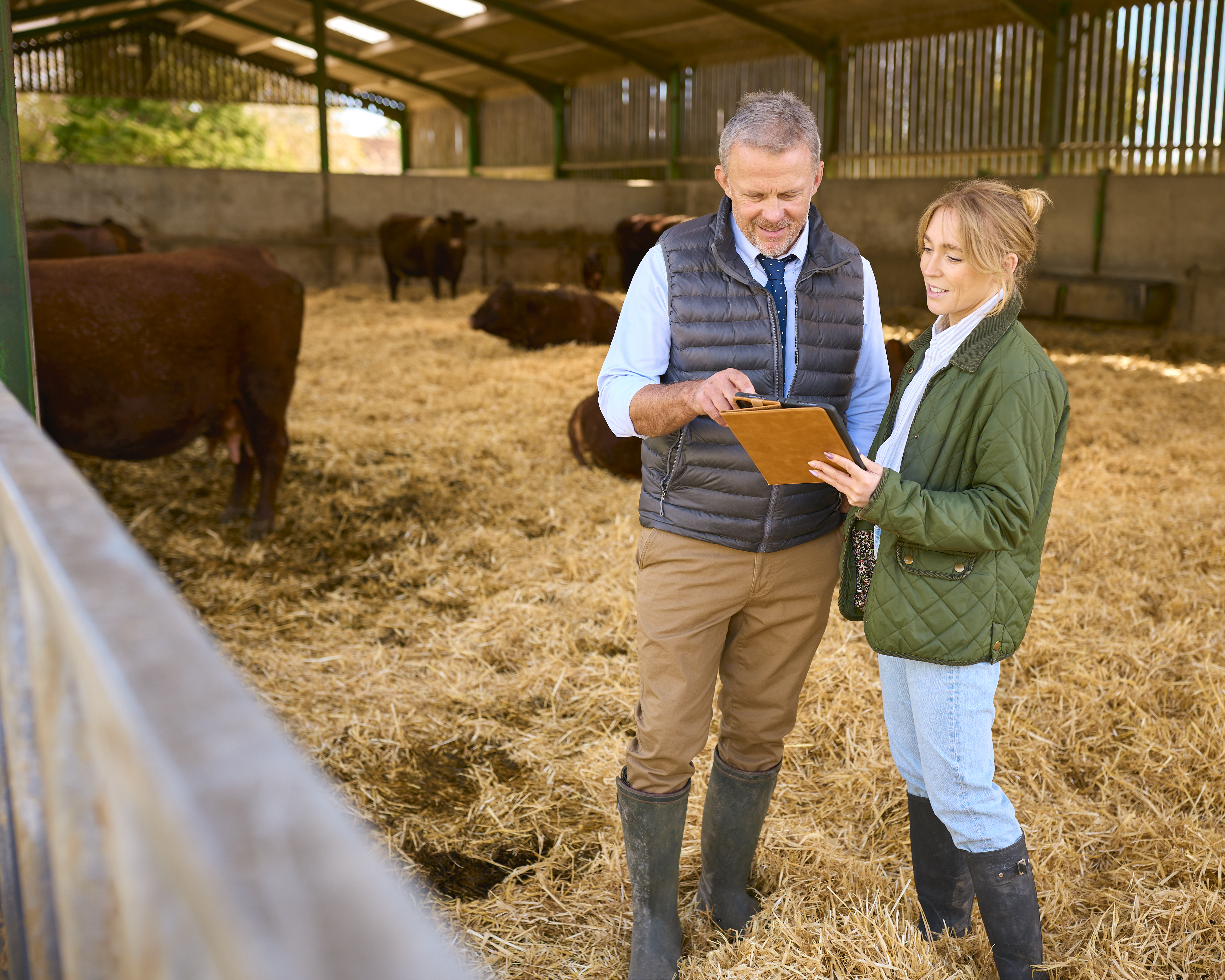
Lantra's research found that around 60% of jobs in agriculture, forestry and fishing are in occupations experiencing elevated demand, more than double the average across the wider economy. An ageing workforce further compounds the issue, creating significant replacement demand over the next decade.
Three skills priorities emerged consistently from employers and stakeholders across the land-based industries:
1. First, stronger business management skills. Success in modern farming increasingly depends on financial planning, leadership, diversification and strategic decision making.
2. Second, improved digital capability. From precision application technology to satellite imagery and farm management software, many businesses now have access to powerful tools. However, the ability to interpret data and use it effectively remains a significant gap.
3. Third, greater understanding of sustainability and environmental compliance. Future farm resilience will depend on knowledge of soil health, biodiversity, water management, carbon reduction and integrated land management approaches.听
Importantly, the report shows that investment in skills pays back. The returns are measurable, meaningful and far outweigh the initial cost. Better-skilled workers achieve higher earnings and greater employability, while businesses benefit from increased productivity, improved retention, stronger innovation and a greater capacity to respond to change.听听
A highly skilled agricultural workforce will be better equipped to adopt new technologies, improve productivity, strengthen domestic food production and deliver environmental outcomes alongside commercial success. In a world of climate uncertainty and geopolitical disruption, those capabilities are becoming indispensable.
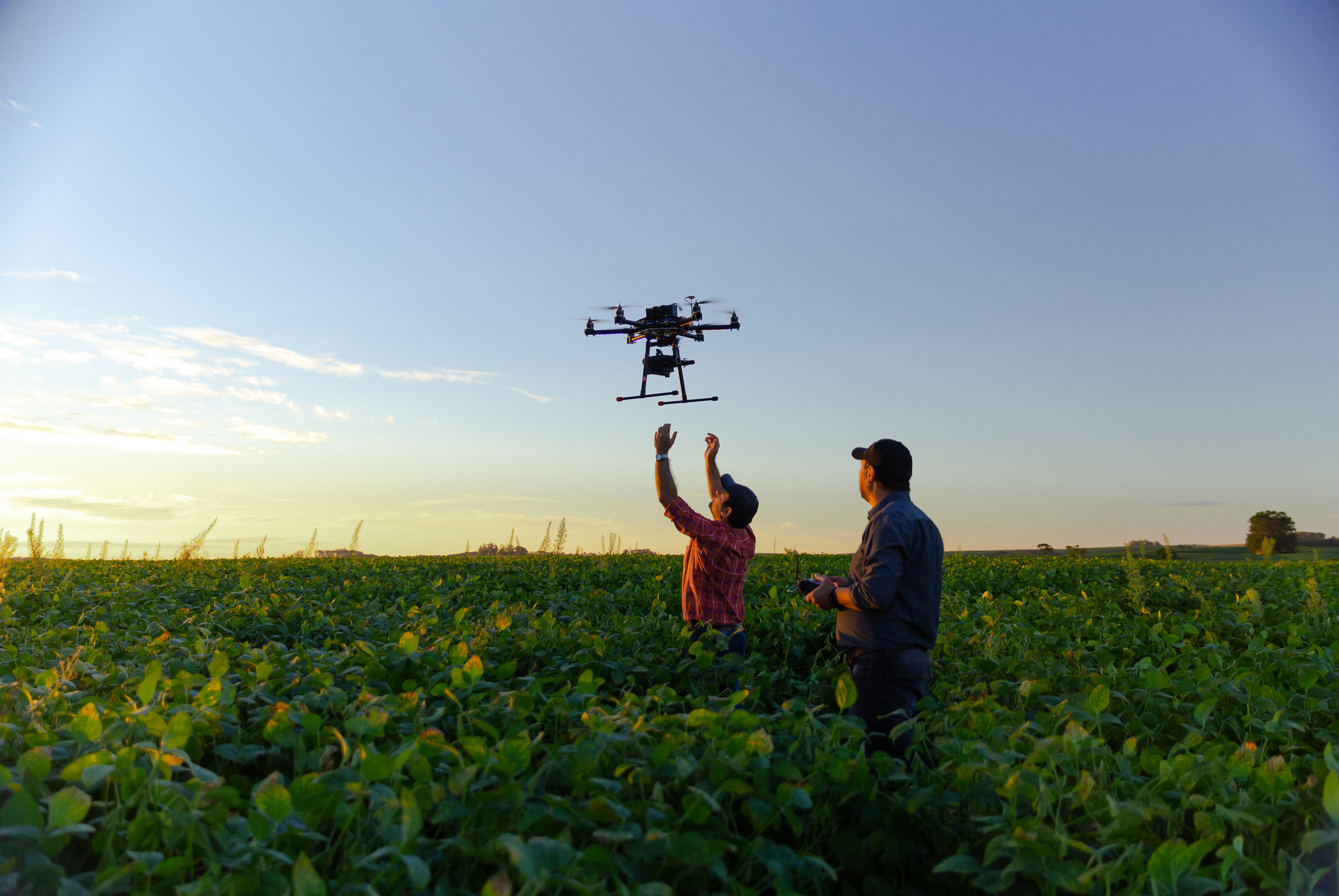
The future of farming will undoubtedly be shaped by policy, technology and markets. But its success will depend on whether we give people the skills, knowledge and confidence to navigate those changes.
If we want a resilient farming sector tomorrow, we must invest in its workforce today.
To read the full Shaping a Resilient Future report and access further research on the future skills, workforce and sustainability challenges facing agriculture and the wider land-based economy, visit Lantra's Land and Environment Research hub: http://www.lantra.co.uk/research


