Thinking about what fertilisers are used and how they are applied could help farmers get ahead of the curve and reduce ammonia emissions before regulations are introduced.
The Government's Draft Clean Air Strategy suggests it is highly likely dairy farmers will face regulations around ammonia emissions in the near future.
The reasons are numerous.
As an industry, agriculture accounts for 88% of all UK emissions, with dairy farming the worst offender (see panel).
When released, ammonia reacts with transport and industrial emissions to form particulate matter which has a negative impact on human health.
When deposited on land, ammonia can acidify soils, natural habitat and freshwater and overload land and water with nitrogen.
The Government has committed to reduce emissions from 2005 levels by 8% by 2020 and 16% by 2030.
At present, we are off target.
That is one of the reasons for the Draft Clean Air Strategy Yara's Philip Cosgrave says it makes sense for farmers to get ahead and start thinking about how they can reduce emissions.
By doing so it will reduce the likelihood of regulation.
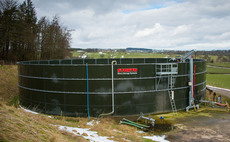
There are numerous ways to reduce ammonia emissions, including covering slurry stores.
However, Mr Cosgrave believes a 鈥榪uick win' can be found by thinking more about fertiliser.
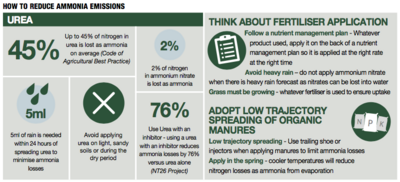
"Lowering ammonia emissions on dairy farms won't be straightforward, but minimising emissions from fertiliser comes down to a simple fertiliser purchasing choice by the farmer," he says.
Mr Cosgrave says farmers should think about moving away from urea fertilisers, because of their high ammonia emissions, and opt for ammonium nitrate-based fertilisers instead.
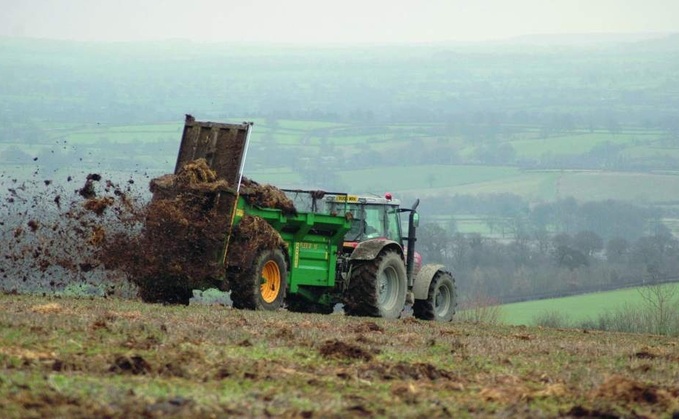
Low trajectory spreading techniques are also beneficial.
Cause of ammonia emissions
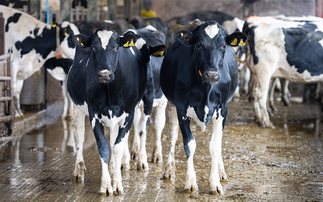
- 28% Dairy cattle account for 28% of UK agricultural ammonia emissions
- 23% Fertiliser application accounts for 23% of UK agricultural ammonia emissions (all sectors)
- 25% Manure application accounts for 25% of agricultural ammonia emissions
Source: Draft Clean Air Strategy.
Figures from 2016