AHDB take a look at the knock-on effect on agricultural trade
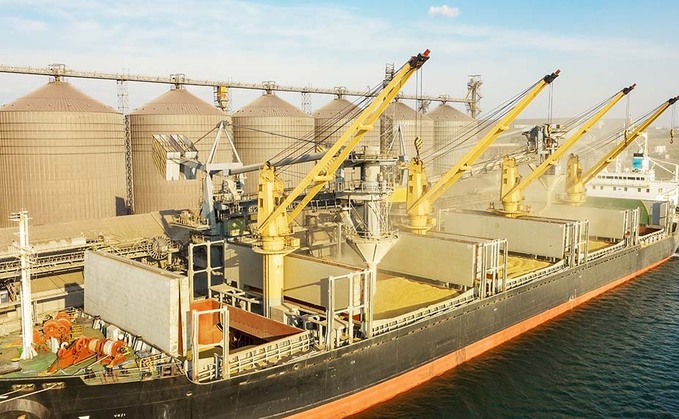
Wheat, maize and sunflower oil exports from Russia and Ukraine face disruption following the outbreak of war between the two countries, according to AHDB.
Interfax, a Russian media source, reported this morning commercial ship movements in the Sea of Azov are suspended. Russia controls the Kerch Strait, where the Sea of Azov joins the Black Sea. Both Russia and Ukraine export from the sea of Azov, though most exports are from the Black Sea.
Yesterday, UkrAgroConsult said shipments from Ukraine were said to be continuing without complications, though enquiries for new business were slowing.
AHDB senior analyst Helen Plant said the situation was now changing rapidly.
鈥淭here are now reports of shelling in the region of Odesa, which contains several key ports, including the port of Odesa. And Ukraine鈥檚 military has reportedly stopped operations at the country鈥檚 ports (Refinitiv),鈥 she said.
鈥淚n addition, Ukraine has asked Turkey to prevent Russian ships leaving the Black Sea (Refinitiv). Turkey controls the Bosphorus and Dardanelles straits but has yet to respond to Ukraine鈥檚 request.
鈥淭his morning, Refinitiv reported the Russian Transport Ministry as saying Russian ports in the Black Sea are working 鈥榓s usual鈥.鈥
Disruption
But there was likely to be disruptions with significant volumes of wheat, maize and sunflower oil left to ship this season and prices rising rapidly due to the importance of Russia and Ukraine for the grain trade.
Stocks in other major exporters were already expected to fall to low levels by the end of this season. This amplifies the global price impact and the impact on UK values.
For grains, disruption was likely to push more demand to other major exporters. For wheat, this could be the EU-27 or US. The options for maize are less clear given the issues with South American crops of late.
Ms Plant said: 鈥淗owever, for sunflower oil, Russia and Ukraine were expected to account for 78 per cent of global exports this season. Disruption could mean a need to switch to other vegetable oils. In turn, this would lead to support for rapeseed oil as well as rapeseed prices.鈥
And the escalation may have impact beyond the grain and oilseed trade, hitting fuel and fertiliser prices.
Yesterday (February 23), Brent crude oil futures (nearby) closed at $96.84/barrel, the highest price since September 2014. The contract is now trading at over $104/barrel (2pm February 24).
Higher crude oil prices are already contributing to paying more at the pump in the UK and will likely lead to a rise in red diesel costs as well.
Natural gas prices have also jumped up this morning, with the UK nearby futures contract back at its highest levels since just before Christmas. This could push up nitrogen fertiliser prices.
No sanctions so far have targeted fertiliser but this situation could change and disruptions could push prices higher.