Dairy
Livestock
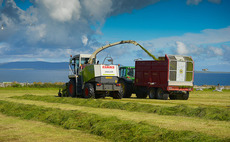
There has been a recent shift in silage making practice as more dairy farmers put greater reliance on home-grown forage. Farmers Guardian takes a look at how best to make sure a multi-cut approach stacks up.
 26 February 2020
鈥�
2 min read
26 February 2020
鈥�
2 min read
Livestock
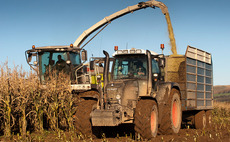
Developing environmentally sustainable farming systems was the theme running through the Maize Growers Association conference held near Derby.
25 February 2020
鈥�
2 min read
Livestock
Activism and misinformation about agriculture reported by the media is 鈥榥umber one鈥� on farmers鈥� lists of concerns and is contributing to mental health issues.
25 February 2020
鈥�
2 min read
Arable
The Government has unveiled plans to introduce three tiers of the new Environmental Land Management Scheme (ELMS) which will replace the Common Agricultural Policy (CAP).
25 February 2020
鈥�
2 min read
Arable
Defra has proposed making payments to farmers based on income foregone and costs incurred under 鈥楾ier 1鈥� of its proposed new agriculture scheme.
25 February 2020
鈥�
2 min read

Arable
Standards encapsulate the values of a nation and the UK is 鈥榓bsolutely right鈥� to highlight the importance of upholding them as the Government negotiates new trade deals.
25 February 2020
鈥�
2 min read
Arable
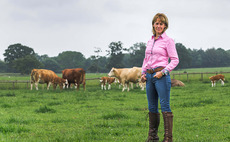
NFU president Minette Batters will today open the union鈥檚 annual conference with a call for Government to 鈥榮how global leadership鈥� on international trade and protect domestic production standards.
25 February 2020
鈥�
2 min read
Dairy
Arla has announced that its UK March manufacturing milk price is to increase by 0.90ppl to 30.9ppl, in line with increases for its European farmer suppliers.
24 February 2020
鈥�
1 min read
Arable
A new bank specifically designed for farmers by farmers is hoping to give the industry confidence to invest and grow as direct support from the Government falls away.
24 February 2020
鈥�
3 min read

Livestock
Good ventilation is vital for the health and well-being of housed livestock and one inexpensive way of measuring air quality and movement in buildings is by using smoke. Hannah Noble reports.
24 February 2020
鈥�
5 min read