



Stuart Tabernor didn't plan to join a data-sharing group. As farm manager at FRW Farrington & Son, a fourth-generation, 290-hectare combinable crop farm near Hargrave, his introduction to Weetabix's Protocol Plus[BH1.1][BH1.2] scheme came after the business accidentally sold the cereal giant 700 tonnes of wheat, simply because Weetabix was paying the best price that year.
A win in the Weetabix-sponsored Northamptonshire Farming and Environment Award followed, and the judges spent more time trying to recruit the farm into Pioneer Plus than judging it. Mr. Tabernor, in his first year in the role, questioned how much information they were being asked to hand over. What changed his mind was seeing what the data actually did once it started flowing.
Protocol Plus asks growers to hit a nitrogen ceiling of 170kg N/ha on wheat destined for Weetabix. Farrington's was already close, running at 180kg. But it was the benchmarking data shared across the group, permissioned through Map of Ag from the farm's existing Muddy Boots records, that gave Mr. Tabernor the confidence to go further.
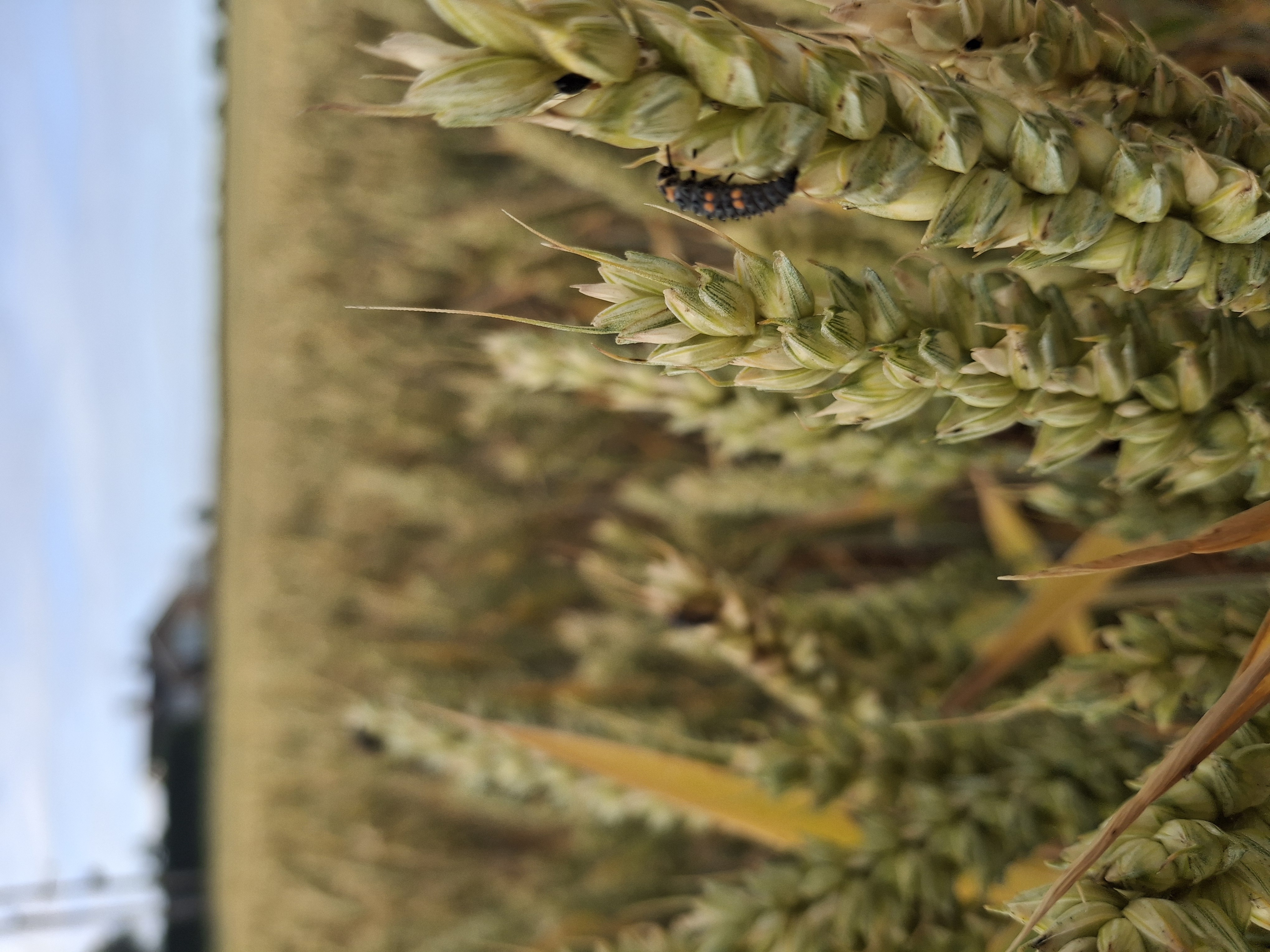
"Because I'd got information from our previous years of applying 180 kilos, it was easy to talk to the other farmers and say, we're already seeing good results," he says. Some growers in the group were still applying 200 to 220kg N/ha and seeing that spread laid out clearly made the case for dropping nitrogen use themselves.
This season the farm applied 155kg N/ha, down from a planned 170kg, and yield rose. Mr. Tabernor is clear that weather, not fertiliser, has driven the bigger swings in output. A poor autumn and a missed third application hit yield harder last year than any nitrogen reduction has. But even with more nitrogen on, he doubts it would have lifted yield further, only protein.
What the scheme pays for is consistency, not just performance. Farrington's earns a 拢100/hectare bonus for growing to Protocol Plus spec, plus a premium worth roughly 拢3 a tonne, on par with growers producing higher-protein milling wheat despite using less input to get there. Altogether, Mr. Tabernor puts the scheme's value at 拢7,000 to 拢8,000 a year.
"I'm getting paid more for doing less," he says.
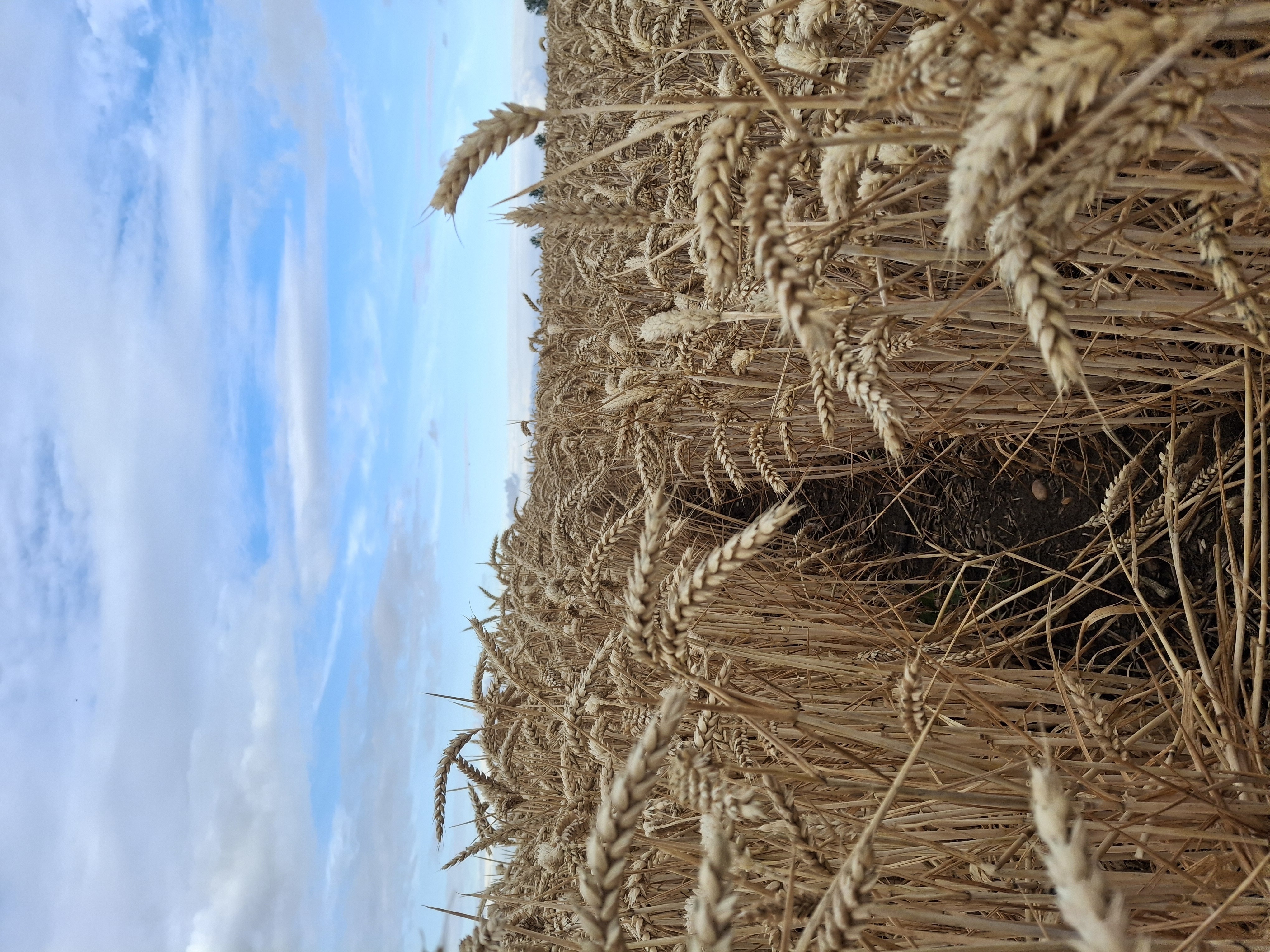
The nitrogen figure is the clearest number, but Mr. Tabernor says the real shift has come from what the wider group shares beyond the headline data. Seeing results from Johnson-Su compost extracts trialled on other farms in the network prompted Farrington's to adopt the same approach. Trial data on fish hydrolysates and molasses-based products, shared by other growers rather than pushed by a salesperson, has steered which fertiliser trials the farm runs next.
"If one farmer does a trial and shares it with 30 others, that saves 30 farmers doing the same trial," Mr. Tabernor says. "On a farm, that's not weeks, it's an entire season."
None of it required much extra admin. The farm's existing Muddy Boots records fed straight into the process, and Map of Ag set out in a confidentiality agreement exactly what the data would be used for and who would see it, giving Mr. Tabernor [BH2.1]re-assurnace and confidence to share data.
His advice to a hesitant neighbour is blunt: "We need to get away from pub-talk yields and onto actual, factual data." For Farrington's, sharing that data hasn't just changed how the farm applies nitrogen, it has paid for itself.
"We've got the data to prove it," Mr. Tabernor says.
听
听


