51AVÊÓÆµ

Beware of early aphid risk

The unseasonably mild conditions for October have presented good drilling conditions across the country, but growers are being warned of higher barley yellow dwarf virus (BYDV) pressure this autumn.

clock • 2 min read
Beware of early aphid risk

The unseasonably mild conditions for October have presented good drilling conditions across the country, but growers are being warned of higher barley yellow dwarf virus (BYDV) pressure this autumn.

Although disruptions to seed deliveries have pushed back some cereals drilling, a combination of the milder weather accelerating crop emergence and earlier than normal aphid activity is putting crops at higher risk of virus infection.

Velcourt agronomist, Alice Clews, who covers Yorkshire, says: "The milder weather also means aphid numbers are higher. I have seen aphids about, particularly on stubbles, so it is important to make sure fields are sprayed off before drilling to break the green bridge of volunteers and grass-weeds and stop aphids transferring onto the main crop."Ìý

Early

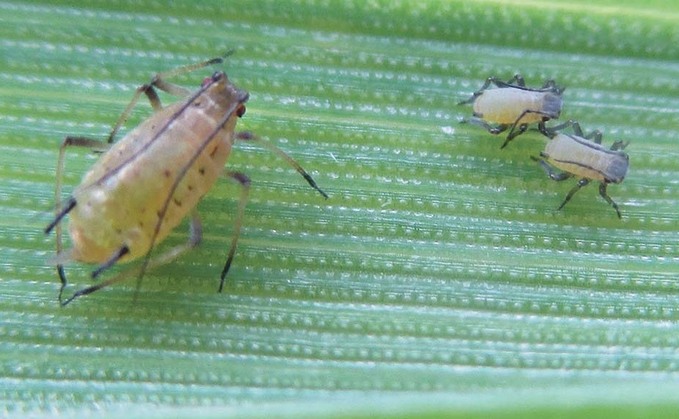
As well as aphid activity building around two weeks earlier than normal, according to Rothamsted, a high number of aphids that are being caught in suction traps are carrying BYDV.

Ms Clews says: "The York region where I am has the highest viral infection rate in aphids tested. In the grain aphid, which is more prevalent in the North, infection currently stands at 50 per cent which is consequential. In the bird cherry oat aphid, which is more prevalent in the South, infection rates are around 20 per cent."Ìý

This means getting insecticide spray timings right will be very important this season, she adds.

T-sum

"There is a chance that in earlier drilled crops that are emerging quickly, there might be justification to treat them sooner if high numbers of aphids are seen, and then calculate T-sum from reinfection.

"The weather will play a big part in this, but if it stays mild and there is a small standing crop with high numbers of aphids present, then that will be the exception for earlier treatment. Having lost seed treatments, once drilling date has been decided and T-sum reached, these foliar sprays become an important consideration.

"However, going forward the evolution of BYDV tolerant varieties and inclusion of them within our cropping will be more favourable."

Emerging

While aphids are the main vector for BYDV, Hutchinsons technical support manager Neil Watson highlights a possible emerging threat from leaf hoppers, which are capable of spreading another virus yellows in wheat and barley.

The pest is the only know vector of wheat dwarf virus and is relatively common in France and continental Europe. It was first found here in 2012 at a site in Suffolk, but relatively little is known about how, or if, the threat has developed since then.

Placing non-hormone-based sticky traps around sheltered headlands 20 metres into the field is an effective way of detecting and monitoring pest numbers from crop emergence onwards, he says.

More on Arable

How one Cheshire farmer is using mixed farming to get on top of grass-weeds

How one Cheshire farmer is using mixed farming to get on top of grass-weeds

For Cheshire farmer Mike Jones, tackling grass-weeds has not come from one silver bullet solution. Instead, it has been the result of building a more flexible mixed farming system where livestock, forage crops, cultivation strategy and innovative new chemistry all work together

Alice Dyer
clock 01 August 2026 • 6 min read
Harvest officially earliest in 20 years, says AHDB

Harvest officially earliest in 20 years, says AHDB

First Harvest Report reveals oilseed rape yields have improved on average but cereal yields have generally been below the 10-year average

Jane Thynne
clock 31 July 2026 • 2 min read
Opinion: What happens when the rain doesn't come?

Opinion: What happens when the rain doesn't come?

With harvest continuing up and down the country, Ash Ellwood reflects on conversations with growers as to how crops are fairing in the heatwave

Ashleigh Ellwood
clock 31 July 2026 • 2 min read