Dairy
Livestock
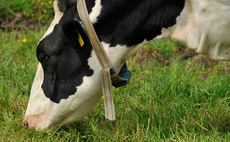
Talk of future technology and the best ways to combat methane emissions were hot topics at this year鈥檚 Dairy-Tech held at Stoneleigh Park, Warwickshire. Katie Jones and Hannah Noble report.
 18 February 2020
鈥�
10 min read
18 February 2020
鈥�
10 min read
Dairy
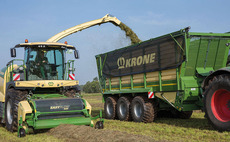
Ultra Low Volume application - for example where silage additive is applied at 20ml/tonne of grass compared to the usual 1-2 litres/tonne - could save considerable time at harvest
17 February 2020
鈥�
3 min read

Dairy
Adopting Controlled Traffic Farming (CTF) could help reduce soil compaction risk and boost yields by up to 10.5% while also reducing nitrous oxide emissions.
17 February 2020
鈥�
6 min read
Dairy
Taking the time to knock out seedling weeds in a new grass reseed will substantially reduce the likelihood of them returning at a later date and safeguard investment.
17 February 2020
鈥�
3 min read
Dairy
It is time to rethink herbicide timings and prioritise an autumn application when weed control could be more effective than in spring.
17 February 2020
鈥�
4 min read
Dairy
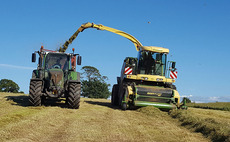
Whether it is timings of slurry application, tyre size or how machinery travels on grassland, everything is designed to prevent soil compaction at Warnockland Farm, Ayrshire.
17 February 2020
鈥�
4 min read

Dairy
With some key clover-safe sprays set to disappear from the market this year, a new herbicide mix could provide farmers with an effective solution for controlling weeds in clover swards.
17 February 2020
鈥�
3 min read
Dairy
Growing lucerne to reduce reliance on bought-in protein is part of one Leicestershire farm鈥檚 strategy to create a more sustainable farming system.
17 February 2020
鈥�
5 min read
Livestock
To claim agricultural relief, sound supportive evidence is required as the decision in Charnley and Anor clearly illustrates. Sam Kirkham, of Albert Goodman tells us more.
17 February 2020
鈥�
3 min read