


Rob Kelly of MSD Animal Health
Ten billion. That's what we can expect the world population to reach by 2050, according to the United Nations. That's around two billion more people than the number of people alive today.
It's also about two billion more mouths to feed, which means the global agriculture sector must become much more productive in order to meet the expected 35% to 56% increase in global food demand over 2010 levels. Yet the imperative to produce more food comes with the urgent need to protect our environment.

These are lofty goals. But they are attainable, especially with help from the many emerging agricultural technologies that are helping farmers produce more with less. And British farmers are uniquely positioned to help lead the charge.
Innovation
For myriad reasons, including food security, the challenge of reducing the environmental impact of farming and the need to ensure the welfare of animals, the blistering rate of innovation in the agricultural sector is fantastic news for British farmers.
Britain's agricultural sector is of vital importance to the economy, worth 拢120 billion and employing nearly four million people. Exports of agricultural products are worth tens of billions of pounds each year.
For more dairy related blogs click here.
The future of听British agriculture听is at a critical point. As the听globe's听population grows and people increasingly desire more meat in their diets,听the industry must evolve.
Consider the state of livestock farming in Britain. As of late 2020, farmers were raising more than 9 million cattle and calves, 4.8 million pigs, and 21.8 million sheep and lambs. Chicken production that year reached an estimated 1.7 million tonnes.
Meat consumption
Those are impressive numbers for a relatively small country. The Organisation for Economic Cooperation and Development estimates that global meat consumption will increase 14% by 2030. British farmers will need to produce more meat to keep pace with that demand. And they'll have to do so in the face of several headwinds.
For starters, small and large farms alike are struggling to keep up with labour shortages that have kept livestock from reaching consumers.听Disease also poses a threat. To avoid sickness in their animals, livestock producers will need to focus more on preventive health practices.
Vaccination
Vaccinations are critical to preventing the spread of disease in livestock. Already, the UK's National Office for Animal Health is leading the way with its expert-led vaccination guidelines encouraging robust vaccine uptake in livestock.
Such preventive health approaches bring sustainability advantages too. Data suggest that UK vaccination programmes for infectious bovine rhinotracheitis (IBR) reduce carbon emissions by 277 kilotonnes of carbon dioxide, the equivalent to removing about 60,000 cars from the road each year.
And several new technological approaches aid these proven tools and help British farmers boost production of meat and dairy in the face of these challenges and contributing to a greener future.
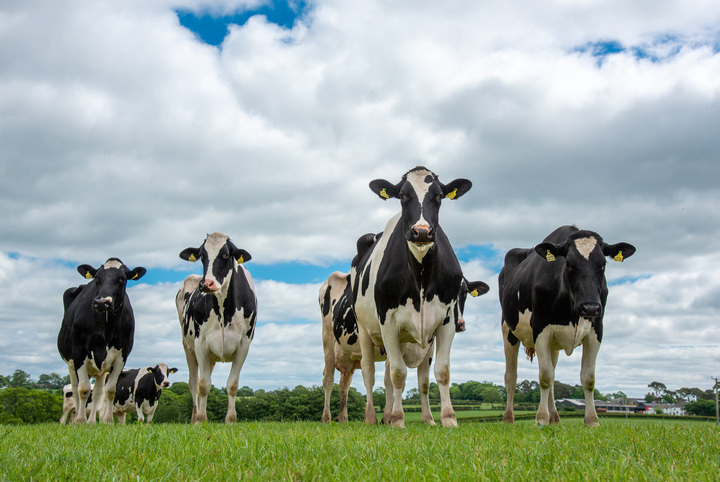
Livestock monitoring technologies can help farmers keep tabs on the health of their herds and identify potential diseases before they have a chance to spread to other animals.
Take technologies that improve conception rates in dairy cattle. One such tool uses a predictive algorithm to collect health and behaviour data, providing farmers with timely information on an animal's reproductive status.
Not only does this technology allow farmers to improve milk production, it reduces reliance on reproductive medicines. That way, farmers can deliver more calves while adhering to the highest animal welfare standards.
These technologies can't replace proven tools like vaccines, which are the cornerstone of preventive health in livestock farming, or routine veterinary care. But they can give farmers a leg up as they race to meet consumers' increasing demand for protein while building a more sustainable future for the farmers and the communities in which they live.听听
An added bonus is that many of the creators of these innovative agricultural products are based right here in Britain. Additional government investment in technologies such as these could help establish British agriculture as a global leader in the sector and support the local economy.
With the latest advancements in agriculture technology, there's reason to believe that the farms of the future will be more efficient, sustainable, and productive than ever imagined. Those advances also make for healthier animals living in more humane conditions.
Britain听is ripe for听the next agricultural听revolution.听The tools we need to make it happen are here. Now, it's just a matter of getting them into farmers' hands.