



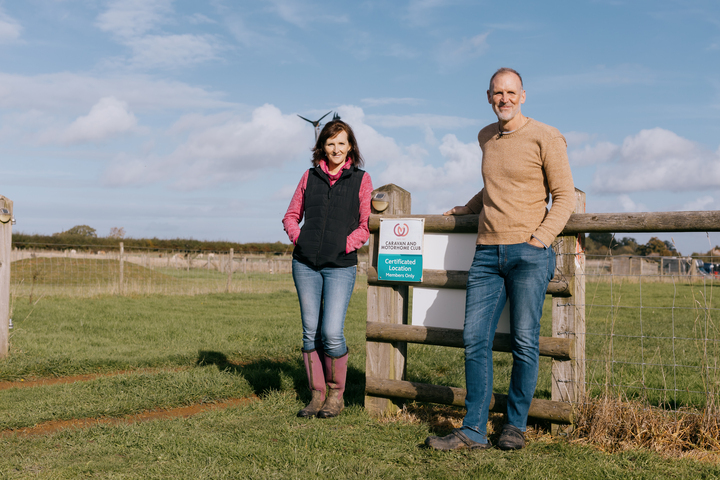
When farmers look at diversification projects, the conversation usually starts with a big question mark: How much is this going to cost me, and when will I see a return? In agriculture, we are used to long lead times. You invest in seed, fertiliser, or livestock, and you wait months, sometimes years, to see the financial payoff. So, when an opportunity comes along that offers a quick, predictable return on investment with minimal upfront capital, it's worth breaking out the calculator.
As we explored in our last article, turning a small, underutilised plot of land (around half an acre to an acre) into a five-van Certificated Location (CL) caravan site is one of the most accessible diversification routes available. But what does the maths actually look like?
Let's start with the setup costs. Unlike traditional holiday lets or glamping pods, which require significant capital for construction, plumbing, and luxury furnishings, the infrastructure for a CL site is remarkably basic. To open your gates, the essentials are straightforward:听
- A well-maintained, relatively flat piece of ground
- Safe vehicle access from the road
- A clean drinking water supply
- A secure chemical waste disposal point (often called a 'Elsan' point).
Many farms already have the plumbing and access routes in place, meaning the initial out-of-pocket expenses can be exceptionally low.
Now, let's talk about your profit. Because a CL site is an exclusive, five-van setup, you aren't chasing thousands of visitors. Instead, you are catering to dedicated tourers who value quiet, rural pitches.
Depending on your location and the simple amenities you choose to offer, such as adding electric hook-ups or allowing dogs, nightly pitch fees typically range between 拢15 and 拢30 per night. If you host just a few standard tourers a week, that forgotten acre quickly transforms into a steady, reliable stream of cash flowing directly back into your business.
The best part? The overheads are incredibly low. Once the grass is mowed and the water is connected, your ongoing running costs are minimal. There are no expensive laundry bills, no complex online booking systems to manage yourself, and no hefty commissions to pay out.
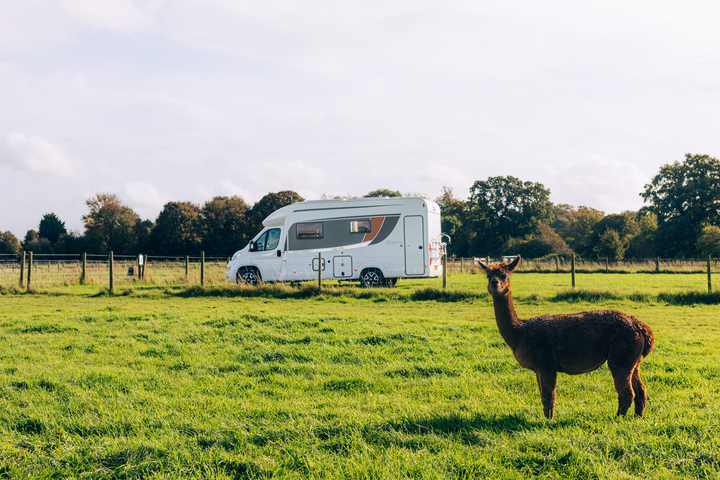
As an independent landowner running a CL site, every single penny you charge your guests is 100% yours to keep. It is a pure injection of revenue straight into the farm's bottom line.
Beyond the direct income, there is a secondary financial benefit that many farming families underestimate: footfall. Caravan and motorhome owners love to buy local. If you have an existing farm shop, sell your own meat, eggs, or cider, or even if there is a village pub down the road, your guests represent a captive audience eager to spend money in the local rural economy.
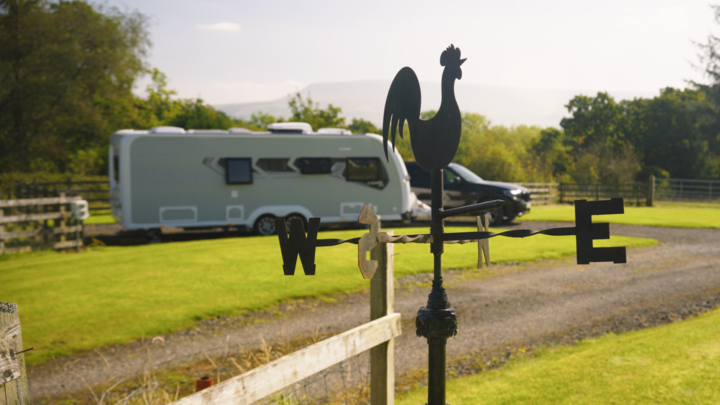
What makes this model work so well for busy holdings is the balance between profit and time. A CL site doesn't demand your attention from dawn till dusk. Guests are entirely self-contained; they bring their own kitchens, beds, and bathrooms with them. You aren't playing hotel concierge. You simply provide the space, the peace, and the warm rural welcome, and let the land do the heavy lifting for you.
Of course, the idea of setting up any new business can feel daunting, especially when it comes to finding those first paying guests. But you don't have to shout into the void to get noticed.
In the third and final part of our series, we will look at how the right support can fast-track your venture, bypass standard planning permission, and instantly connect your new site to over one million eager customers.


