Arable Farming
Arable
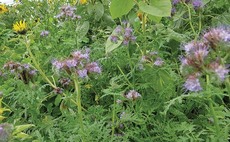
Cover crops have had a rocky start in their introduction to some arable systems, particularly where the benchmark for success is a measure of financial return.
 18 August 2021
鈥�
3 min read
18 August 2021
鈥�
3 min read
Arable
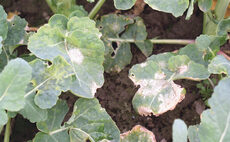
The fungus responsible for light leaf spot, the UK鈥檚 most important oilseed rape disease, is becoming increasingly resistant to azole fungicides but not QoI (strobilurin) or SDHI fungicides, according to Rothamsted.
17 August 2021
鈥�
2 min read
Arable
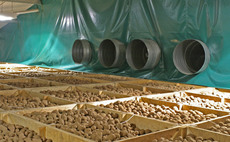
This year芒鈧劉s Potatoes in Practice was the first major industry event since levy payers voted against supporting AHDB Potatoes.
17 August 2021
鈥�
3 min read
Arable
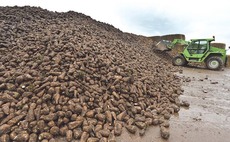
British Sugar has responded to requests for greater flexibility.
17 August 2021
鈥�
1 min read
Arable
The unsettled weather at the end of July and beginning of August across Great Britain has resulted in a very stop-start harvest so far.
16 August 2021
鈥�
3 min read

Arable
With the Basic Payment Scheme on the way out, most farm businesses will benefit from some form of collaboration.
14 August 2021
鈥�
4 min read
Arable
If tempted to drill winter cereals early on the back of two difficult autumns it pays to be aware of yield, weed and disease implications.
13 August 2021
鈥�
3 min read
Arable
The first RL winter oilseed rape yield results 鈥� from nine trials: Hampshire, Wiltshire, Suffolk, Cambridgeshire, Lincolnshire, Herefordshire, North Yorkshire, South Yorkshire and Midlothian 鈥� were published today.
13 August 2021
鈥�
1 min read
Arable
The recent clarification of the interpretation of Rule 1 of the Farming Rules for Water by the EA could increase ammonia emissions to air, phosphorus losses to water and soil compaction a study by ADAS has found.
11 August 2021
鈥�
4 min read
Arable
The recent clarification of the interpretation of Rule 1 of the Farming Rules for Water by the EA could increase ammonia emissions to air, phosphorus losses to water and soil compaction a study by ADAS has found.
11 August 2021
鈥�
4 min read