


With HMRC's changes to the classification of double-cab pickups (DCPUs) from commercial vehicles to passenger cars now in effect, farmers and rural businesses looking to replace a like-for-like vehicle will find business purchase less attractive as a means of offsetting tax on profits.
READ NOW: Pickup truck tax changes – what do they mean for different types of rural business?
Addressing the requirement for vehicles to operate with a single row of seats, Isuzu has introduced a Commercial variant of its popular D-Max V-Cross range. The rear seating has been permanently removed and replaced with a load space featuring an internal bulkhead between the front seats and the rear of the cab. The model has been reclassified as an N1 light commercial vehicle.
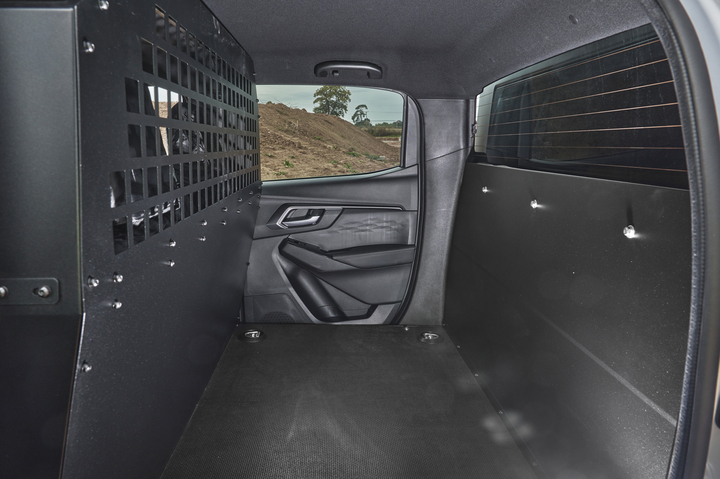
This change allows buyers to purchase the vehicle as a commercial model with the full tax advantages retained. VAT is reclaimable for eligible businesses, while road tax remains at a fixed rate of £345. It also qualifies for Plant & Machinery Allowance under Capital Allowances, retaining 100% writing-down status. For company drivers, the model keeps its flat-rate £4,020 Benefit in Kind (BIK) for the 2025/26 tax year.
Functionally, the V-Cross Commercial could appeal to drivers who rarely use the rear seats, as the new secure load bay provides easier access—and a warmer, enclosed space—for dog cages, veterinary medicines, workwear, or tools.
READ NOW: Commercially viable Ineos Grenadier?
Drivers familiar with the existing D-Max V-Cross will find no changes to cabin specification, with the same leather upholstery, dual-zone climate control, infotainment system with wireless Apple CarPlay and Android Auto, and a new 7-inch multi-information display.
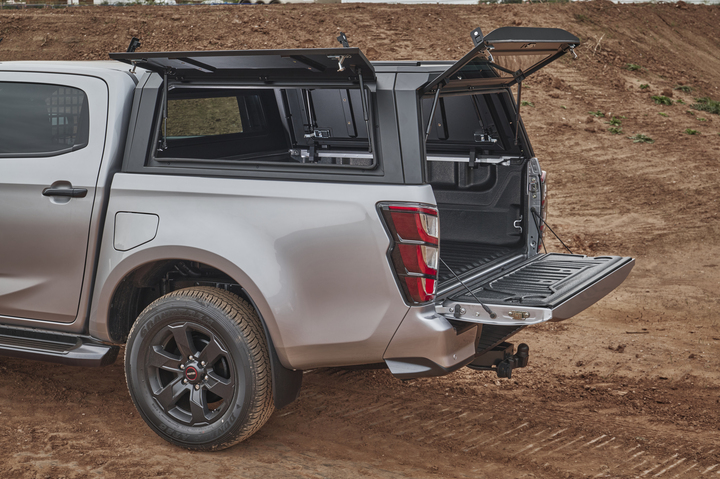
Vehicle capacities remain identical to the five-seat model, offering a one-tonne payload, 3.5-tonne towing capacity, and supplied with a lightweight rear canopy and towbar. A claimed kerb weight of under 2,040kg also qualifies it for passenger-car speed limits on dual carriageways and motorways.
Prices start from £41,995, including a five-year / 125,000-mile warranty, with first units expected to arrive before 2026.