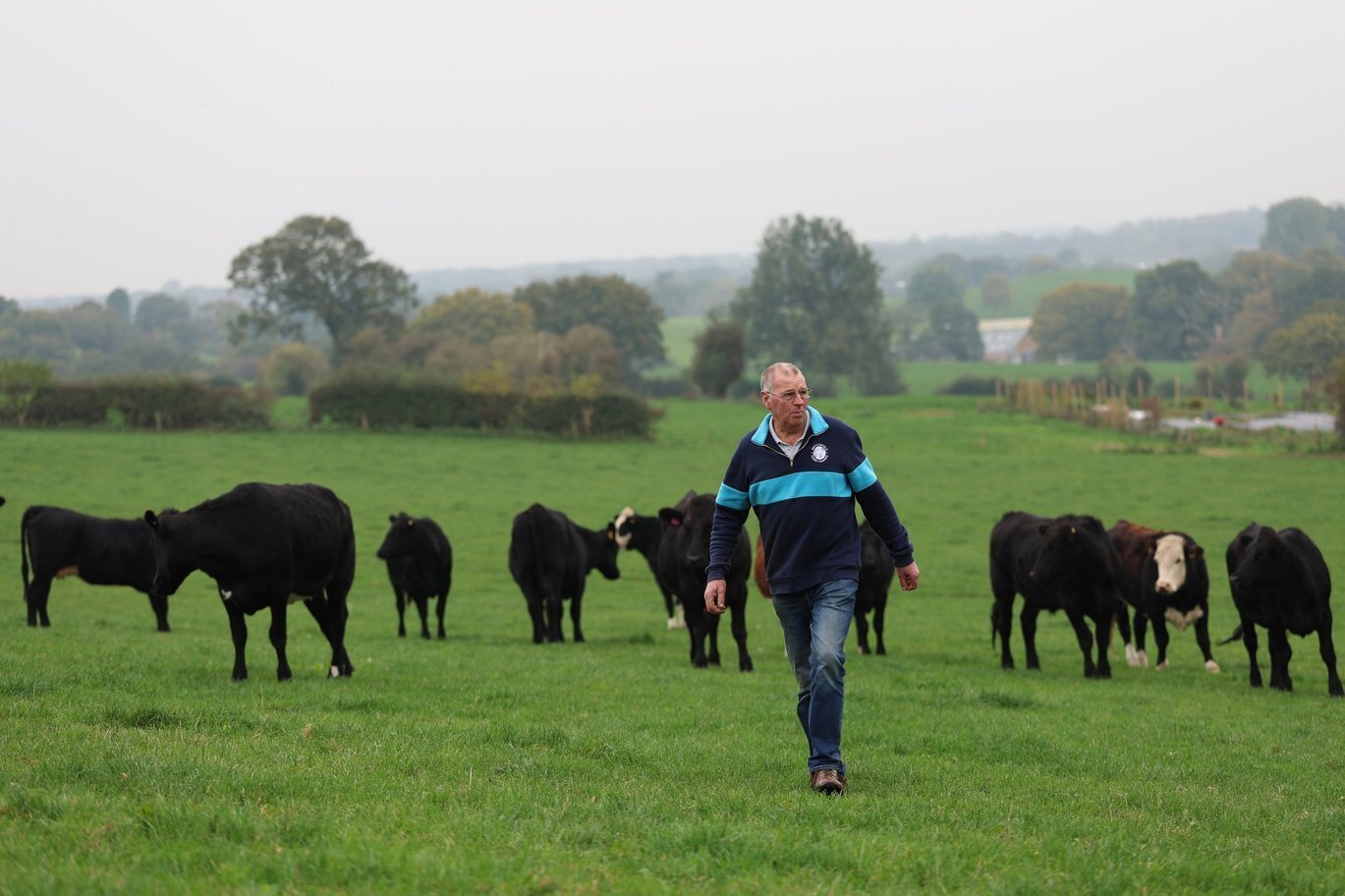
A drought in the summer of 2003, led to a major change in management direction for Graham Parks, who farms at Overbank 51AV视频near Macclesfield in Cheshire. Half the beef herd were set stocked and half were being rotationally grazed; the difference in results was clearly apparent.
"The cattle that were set stocked needed buffer feeding one month earlier than the cattle that were rotationally grazed," he explains. From that point on Graham fully embraced a rotational system which he says transformed his beef enterprise; now achieving an impressive 12.9% return on tenant's capital invested.
This system has also allowed Graham to benefit from exclusive buying contracts with most of the finished animals being sold to Grassroots Farming for a regenerative premium, with the remainder sold to Dunbia.
Graham started out on a Council starter farm in 1988, with a sheep and beef unit running on 50 acres. Alongside this he worked, and later managed, a local dairy farm where he first saw rotational grazing at work. "I saw the benefits immediately and took this back to apply to my own business. At the time, I was building the beef herd and looking at ways to improve and expand the business."
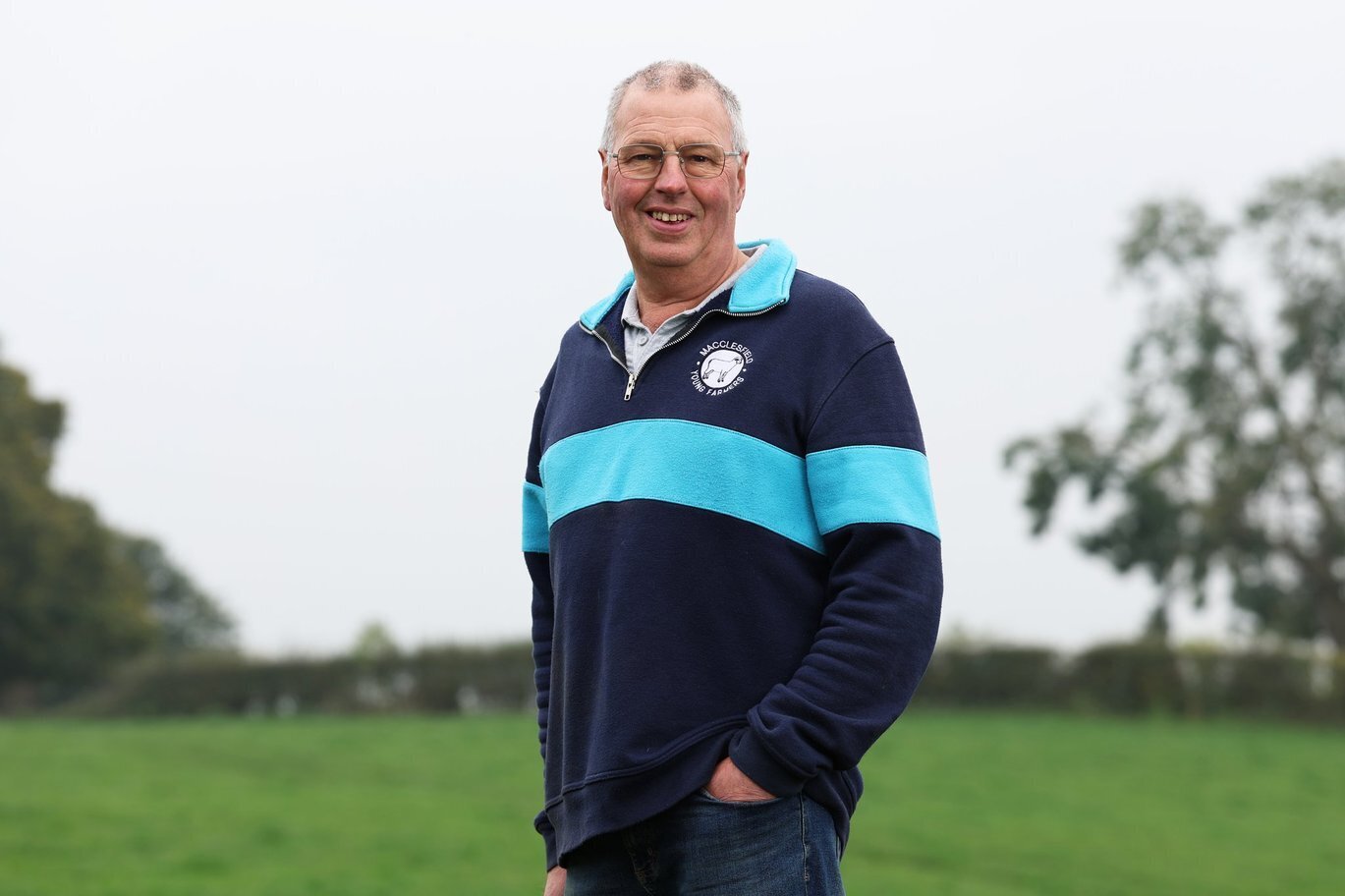
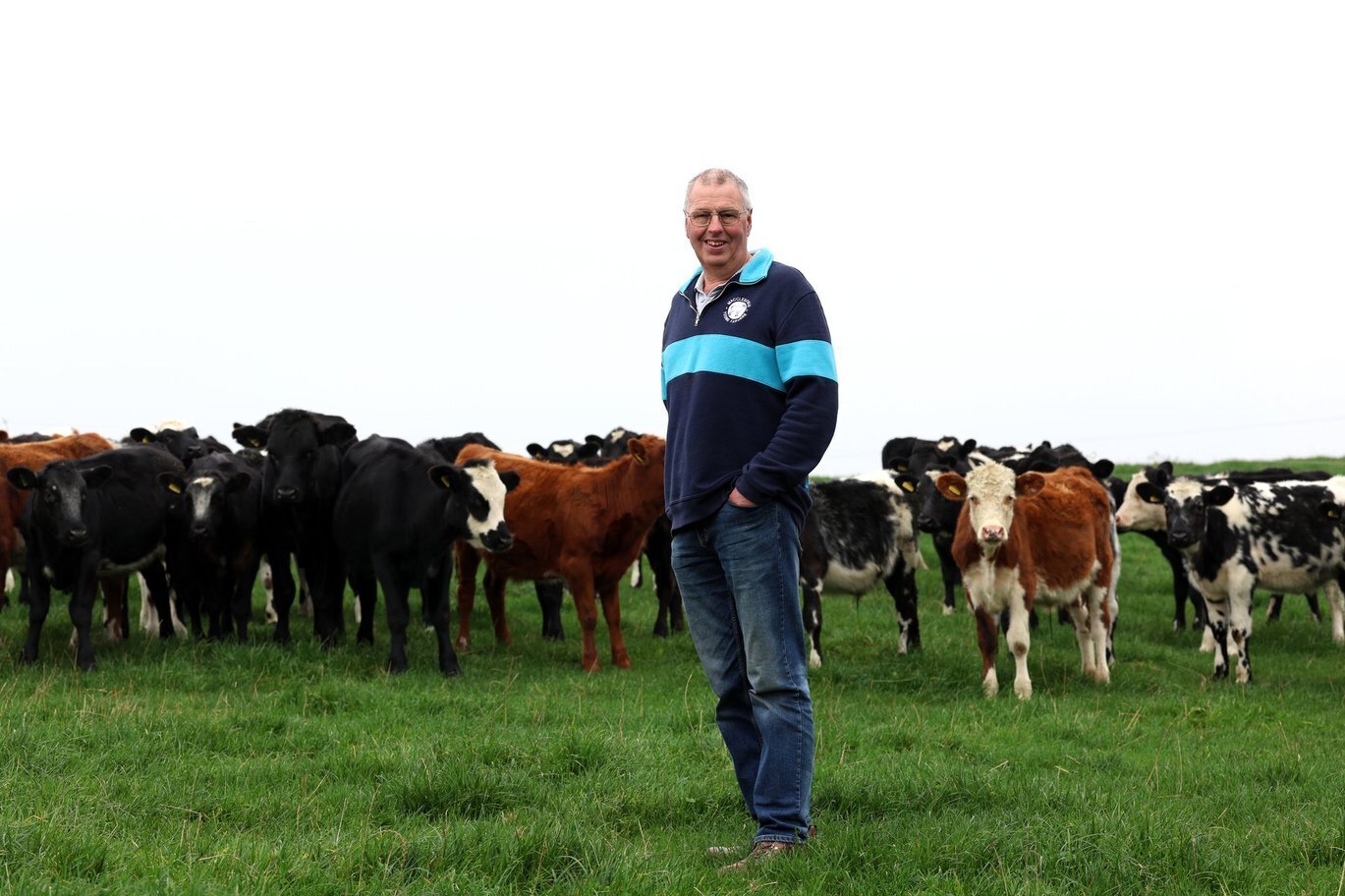
By 2016, with the herd up to 370 head, Graham was successful in a tender for a 205-acre tenancy. Over recent years he has built this up to, now buying in 300 spring born calves per year, all sourced from a local dairy herd. Calves are dairy cross Hereford or Aberdeen Angus and arrive at two weeks of age, reared on milk replacer before being weaned at eight weeks. To meet contract requirements, Graham has to use soya, soya hull and palm kernel free feed, so buys Planet Calf Sweet Start Pellets from Massey Feeds, which is fed ad lib with intakes between 1kg 鈥� 1.5kg/head/day at weaning.
A total of 450kg of concentrate throughout the animal's life sees animals finished between 24-30 months. Typically, steers and heifers kill out at 52%, weighing 295-300kg deadweight and achieving grades and fat classes of 0+3-0+4L. This is no mean feat, given they are born averaging 32kg from Jersey cross cows.
Phil Stirk, Sales Director from the Massey Harpers Feed Group, works closely with Graham, "Graham is an outstanding farmer, having been a finalist in the Farmers Weekly Grassland Farmer of the Year and the British Farming Awards Regenerative and Beef Farmer. He was ahead of his time in recognising the future demand and the environmental benefits of his low input system and has significantly improved the resilience of his business, despite the weather, market fluctuations and input volatility."
听Grassland
The 205-acre holding is all laid down to grassland comprising of perennial ryegrass and a growing number of herbal leys which have been established under the SFI scheme.
Grassland is reseeded or overseeded where required and contractors carry out four applications of liquid fertiliser throughout the year and two cuts of grass silage. 听听
Graham is an enthusiastic grassland manager, taking weekly plate meter measurements and recording them on Agrinet as well as attending Provision Grazing Group meetings. "I get a real buzz out of the grassland analysis and using the data to provide the best nutrition to the animals."
Animals are typically housed from 1 November until February, split into batches and fed up to 1kg of concentrate depending on weight.听 Following a second summer at grass, R2 heifers are housed in cubicles and fed self-feed silage, whilst R2 steers are strip-grazed on deferred grass and silage bales. In their third summer at grass, heifers are supplemented with 1kg of Masseys Planet Beef Nuts and steers get 2kg/head/day.
听
Future plans 听
Mortality is low at 0.4% and daily liveweight gains from arrival to slaughter are averaging 0.68kg. However, this is something Graham hopes to improve. 听Next spring, he will be trialling feeding higher quality and quantities of milk powder to enhance early-life performance and reduce age to slaughter. "I have a target of 1kg per head per day growth rate in calves to weaning and am working closely with Masseys to tweak management. It is focussing on the details and ensuring we can achieve improved growth, particularly in the first few weeks of life," he says. "The aim is to finish everything before the end of October, avoiding the need to house cattle for a third winter, and improving efficiencies," he concludes.